Cost Guide
How Much Is 1 Yard Of Concrete?
I get this question almost daily from homeowners who've just been quoted a number and have no idea whether it's fair. Short answer: in the Lakeland area, expect roughly $130 to $180 per cubic yard for delivered ready-mix concrete in 2026. Here's exactly what drives that number up or down, and how it compares to buying bags.
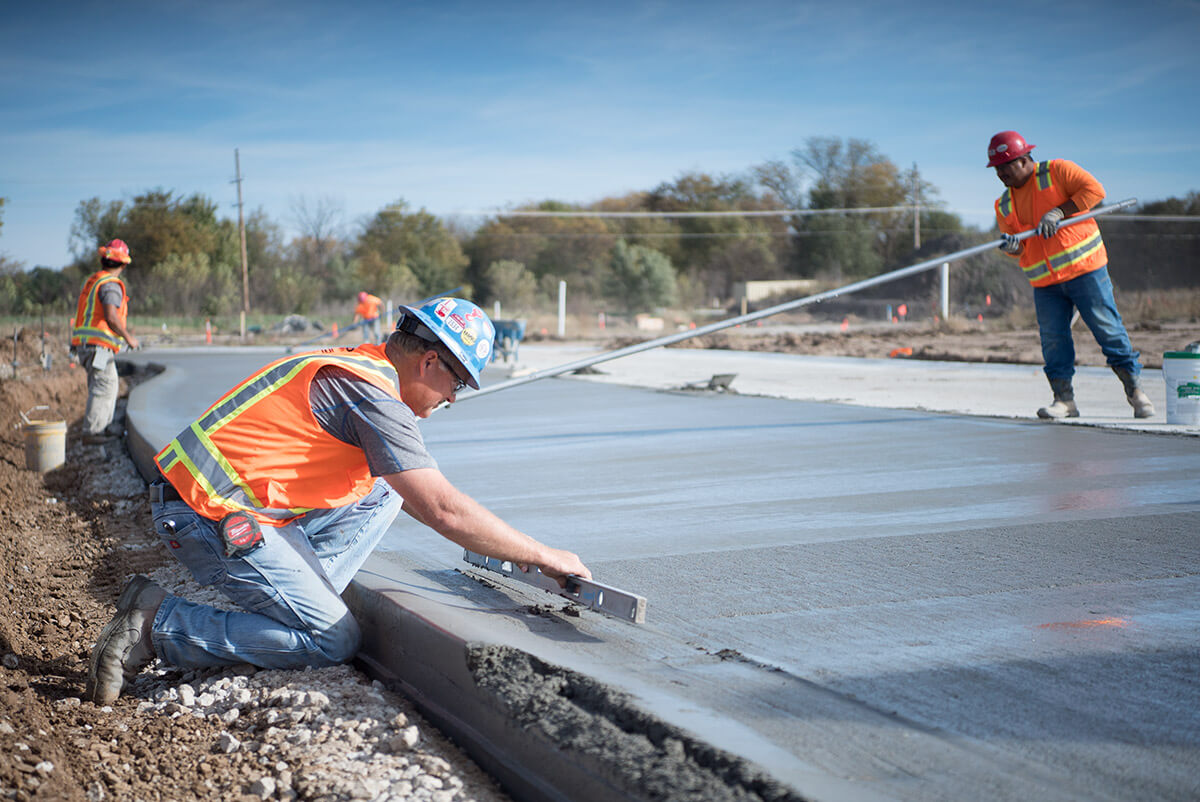
Ready-mix delivered by the truckload is almost always the cheapest way to buy concrete per yard.
1. What a Cubic Yard Actually Is
A cubic yard is 27 cubic feet — a block 3 feet wide, 3 feet long, and 3 feet tall. That's the unit ready-mix plants sell in, and it's also the unit that trips people up, because how far it goes depends entirely on how thick you're pouring. A yard poured 4 inches thick covers a lot more ground than the same yard poured 8 inches thick.
| Pour thickness | Coverage per yard |
|---|---|
| 4 in. (standard patio, sidewalk, driveway) | 81 sq ft per yard |
| 5 in. (heavier-duty driveway) | 65 sq ft per yard |
| 6 in. (garage slab, RV pad) | 54 sq ft per yard |
| 8 in. (footings, structural slabs) | 40.5 sq ft per yard |
2. Ready-Mix Pricing by Mix Type
Here's what I see quoted around Polk County right now. These are material-only prices, delivered — not installed. Installation (forming, pouring, finishing, labor) is a separate cost on top.
| Mix type | Price per yard |
|---|---|
| Standard 3,000 PSI (driveways, patios, sidewalks) | $130 – $150 / yd³ |
| 4,000 PSI (garage slabs, higher-traffic flatwork) | $140 – $160 / yd³ |
| 5,000 PSI (structural, commercial, heavy-load slabs) | $155 – $180 / yd³ |
| Fiber-reinforced mix (crack resistance upgrade) | +$5 – $15 / yd³ |
| Colored / integral pigment mix | +$10 – $25 / yd³ |
For a full installed cost breakdown by project type, see our concrete driveway cost guide or the Florida driveway cost breakdown.
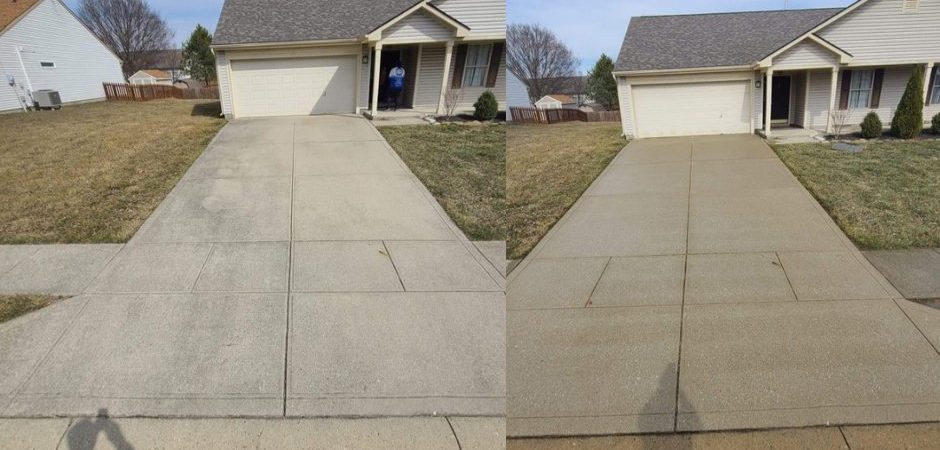
A standard driveway pour typically uses a 3,000–4,000 PSI mix at 4 to 5 inches thick.
3. Bagged Concrete vs. Ready-Mix
I get asked constantly whether it's worth grabbing bags from a home improvement store instead of calling a batch plant. Here's the honest per-yard comparison.
| Method | Cost per yard | Note |
|---|---|---|
| 80 lb bags (DIY, ~45 bags per yard) | $220 – $315 / yard equivalent | Highest cost per yard, but no minimum order — the only practical option under about half a yard. |
| 60 lb bags (DIY, ~60 bags per yard) | $240 – $330 / yard equivalent | Slightly more bags needed per yard than 80 lb; easier to handle solo. |
| Ready-mix delivered (5+ yards) | $130 – $180 / yard | Cheapest per yard, but most Polk County plants charge a short-load fee under 5 yards. |
| Ready-mix delivered (under 5 yards) | $180 – $280 / yard effective | Short-load fee ($50–$150 flat) spread across a small order raises the effective per-yard cost. |
My rule of thumb: under about half a yard, bags are usually more practical. Anywhere close to a full yard or more, call a batch plant — even accounting for a short-load fee, ready-mix almost always wins on cost and definitely wins on labor.
Quick Pricing Checklist
- Confirm whether the quoted price is material-only or includes delivery
- Ask about the plant's short-load minimum before ordering under 5 yards
- Match PSI strength to the actual load the slab will carry — don't over- or under-spec
- Get delivery and fuel surcharges quoted separately from the per-yard price
- Compare bagged concrete only for pours under roughly half a yard
- Remember: material cost is separate from labor, forming, and finishing cost
4. What Changes the Price
The base per-yard number is just a starting point. These five factors are what actually move your final invoice up or down.
Order size and the short-load fee
This is the single biggest factor I see catch people off guard. Most Polk County batch plants are set up to profitably dispatch a full truck — typically 5 to 7 cubic yards. Order less than that, and most plants tack on a short-load fee of $50 to $150 flat. On a 2-yard order, that fee alone can add $25 to $75 per yard to your effective cost. If your project is small, it's worth asking the plant directly what their minimum is before you assume the quoted per-yard price applies.
PSI strength and mix design
Standard residential flatwork — driveways, patios, sidewalks — typically uses a 3,000 PSI mix. Step up to 4,000 or 5,000 PSI for garage slabs, structural work, or anything carrying heavier loads, and you'll pay more per yard for the extra cement content. Don't over-spec strength you don't need, but don't under-spec it either — this is exactly the kind of question your contractor should walk you through before the pour.
Additives — fiber, color, and admixtures
Fiber reinforcement (helps resist cracking), integral color, accelerators for cold-weather pours, and water reducers for workability all add to the base price, typically $5 to $25 per yard depending on the additive. None of these are required for a basic slab, but they're common upgrades worth pricing out if durability or appearance matters for your project.
Delivery distance and fuel surcharges
Batch plants price delivery within a standard radius, then add a per-mile surcharge beyond it — and most also pass through a fuel surcharge that moves with diesel prices. If your project is well outside Lakeland proper, ask about delivery fees separately from the per-yard concrete price so you're not surprised on invoice day.
Site access
A truck that can pull straight up to a clean, accessible pour site is the cheapest scenario. If the crew needs a pump truck, wheelbarrows, or extra labor to move concrete from the truck to a hard-to-reach spot, that adds cost on top of the material price itself — this is a labor cost, not a material cost, but it's easy to conflate the two when comparing quotes.
5. How Many Yards Do You Need?
Before you can price anything, you need an accurate yardage number — guessing here is how people end up either paying for a short-load fee they didn't need to, or running short mid-pour and paying a rush-delivery premium for a second small load. Our ready-mix concrete cost calculator converts your exact slab dimensions into cubic yards, applies a waste factor, and estimates total material cost in one step.
If you're planning a new slab and want to know how deep to pour it in the first place, our guide on concrete footer thickness breaks that down by project type — thickness is exactly what drives the coverage table above.
Frequently Asked Questions
How much does 1 yard of concrete cost in Lakeland, FL?
Expect roughly $130 to $180 per cubic yard for ready-mix delivered in the Lakeland area in 2026, depending on PSI strength and any additives like fiber or color. Orders under about 5 yards often carry a short-load fee that raises the effective per-yard cost — see the table above for specifics.
How much area does 1 yard of concrete cover?
It depends entirely on thickness. At the common 4-inch depth used for driveways and patios, 1 cubic yard covers about 81 square feet. At 6 inches (typical for a garage slab), it covers about 54 square feet. Our ready-mix concrete cost calculator does this math for your exact dimensions.
Is it cheaper to buy bagged concrete or order ready-mix?
For anything close to a full yard or more, ready-mix delivered is almost always cheaper per yard than buying bags — often by $50 to $150 per yard. Bags make sense for small jobs under roughly half a yard, where ordering a truck either isn't possible or triggers a disproportionate short-load fee.
What's a short-load fee and how do I avoid it?
It's a flat surcharge — typically $50 to $150 — that batch plants charge when your order falls below their minimum profitable load, usually 5 to 7 yards. You can't always avoid it on a small job, but you can ask the plant upfront what their threshold is, and in some cases combine a small project with a neighbor's or a larger phase of your own project to clear the minimum.
Does the price per yard include installation?
No — the prices above are for material only, delivered to your site. Forming, pouring, finishing, and labor are quoted separately by your contractor and typically make up the majority of a total project cost. See our concrete driveway cost guide for full installed pricing, not just material cost.
Keep Reading
How Thick Should Your Concrete Footer Be?
Thickness drives yardage — plan your project from the ground up.
How Much Does a Concrete Driveway Cost in Florida?
Full installed pricing, not just material cost.
How To Clean Your Lakeland Concrete Driveway
Protect the investment once your new pour has cured.
Questions to Ask Before Hiring a Concrete Company
Make sure material and labor costs are both clearly spelled out.
Ready to Get an Exact Quote?
Skip the guesswork — tell us about your project and local Lakeland contractors will follow up with real pricing based on your exact yardage and mix requirements.