Seawall & Shoreline Guide
Seawall Repair Process: What You Need To Know
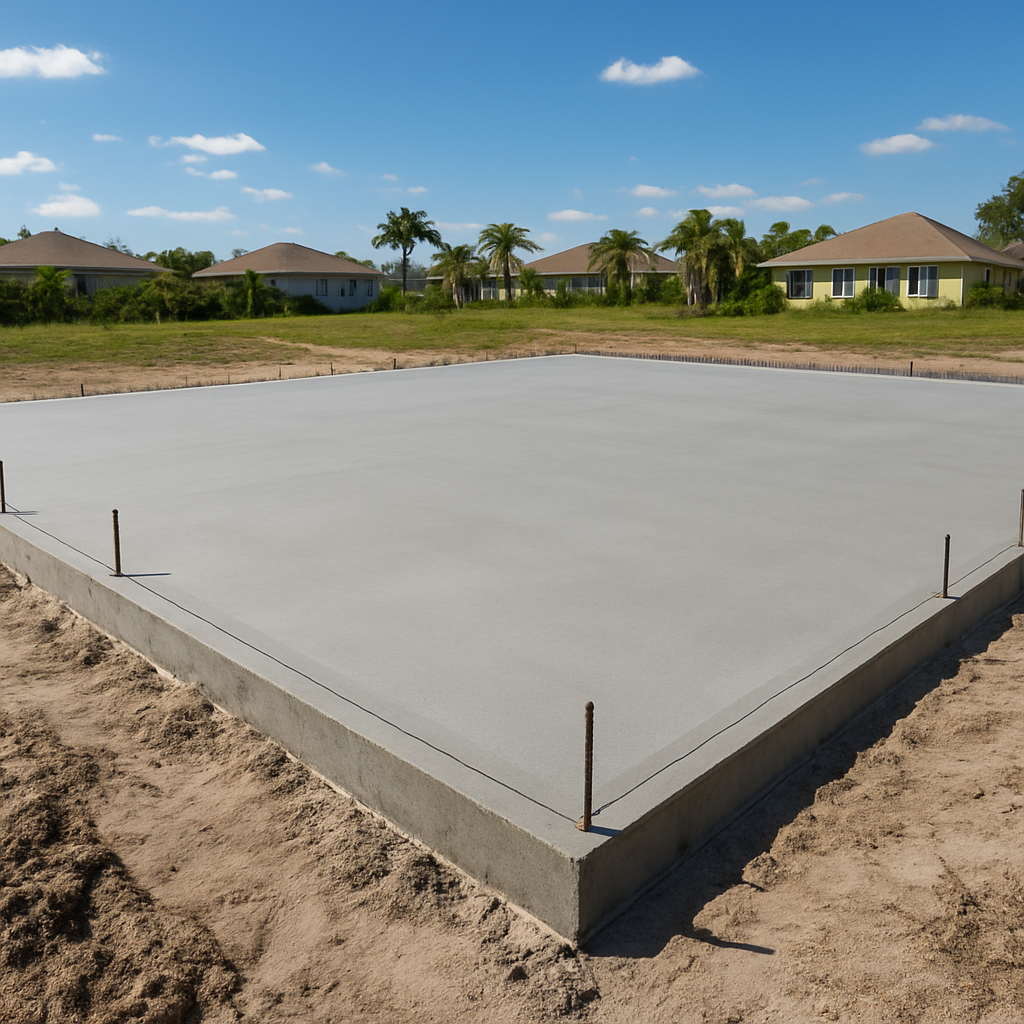
Most seawall repairs address one specific failure rather than rebuilding the whole structure.
Once you know a seawall has a problem, the next question is what actually happens to fix it. I want to walk through this the way it really unfolds — inspection, permitting, then the repair itself — because the order matters and skipping a step is where most of the frustrating seawall projects I've seen went wrong.
Step 1: A Real Inspection, Not A Glance
A proper seawall inspection looks at more than the face of the wall, because the face is often the last place a problem shows up. What I'd expect from a thorough assessment:
- Probing the ground behind the wall for voids, not just visually checking for depressions
- Checking every weep hole for function and discharge quality
- Sighting the cap for lean, bulge, and alignment along its full length
- Assessing crack pattern and staining to distinguish cosmetic from structural
- Where accessible, checking tie-back condition and anchor connections
- Reviewing how the wall has performed historically — prior repairs, prior storm damage
The output of a good inspection is a written scope — which specific repair method applies to which section of wall — not just a verbal “it needs work.” That scope is what the permit application and every subsequent quote should be based on.
Step 2: Permitting
This is the step homeowners most underestimate, and it is often the longest part of the whole project — longer than the repair work itself in many cases.
Work on or adjacent to a waterway in Florida generally requires a permit at the local level — your county or municipal building department. Depending on the scope and the waterway, it can also require review from the Florida Department of Environmental Protection or the local water management district, since seawalls sit at the intersection of construction and environmental regulation.
Requirements genuinely vary by jurisdiction, by waterbody, and by the scope of work — a straight repair-in-place is typically a simpler process than any work that changes the wall's footprint or extends further into the water. Confirm the specific requirements for your property before committing to a timeline. An experienced seawall contractor should already know the local process and can usually handle the application on your behalf.
Repair Methods, In Order Of Severity
Ordered from least to most invasive. Which one applies to your wall comes out of the inspection, not a general assumption — a wall can need more than one of these at once.
Void grouting / soil stabilization
Fixes: A void has formed behind the wall from soil loss, but the panels and anchors are still sound.
How it works: Grout or a specialized fill material is pumped through drilled ports into the void behind the wall, filling the space and restoring support. This is the least invasive repair on the list and, when it's the right fit, the most cost-effective.
Right for: The wall face is intact, the void is confirmed and localized, and the drainage problem that caused it is being fixed at the same time.
Drainage restoration
Fixes: Blocked or failed weep holes causing hydrostatic pressure buildup.
How it works: Existing weep holes are cleared, redrilled, or replaced, often with new filter fabric or aggregate behind them to let water through while keeping soil in. In some cases additional weep holes are added where the original spacing wasn't sufficient.
Right for: Almost every repair, because drainage failure is upstream of most other problems. Doing this without fixing drainage just buys time before the same failure recurs.
Crack injection and joint sealing
Fixes: Cracks and open joints that are letting water and soil pass through the wall.
How it works: Epoxy or polyurethane resin is injected into cracks to seal and, in some cases, restore some bonding strength. Joints between panels get new sealant or waterstop material. This closes the paths soil was escaping through.
Right for: Cracking that hasn't progressed to displacement, on a wall that's otherwise structurally sound.
Tie-back and anchor replacement
Fixes: Corroded or failed tie-back rods and deadman anchors, usually showing up as a wall leaning outward.
How it works: New anchors are installed, sometimes helical anchors driven to depth rather than traditional buried deadmen, and connected to the wall with new corrosion-resistant rods. This restores the restraint holding the wall vertical.
Right for: The panels themselves are sound but the restraint system has failed — a common cause of outward lean on older walls.
Cap and panel replacement
Fixes: Individual damaged sections without rebuilding the whole wall.
How it works: Deteriorated cap beams or individual panels are removed and replaced while the rest of the structure stays in place. This is more involved than the repairs above because it usually requires temporary support and some excavation.
Right for: Localized structural damage in an otherwise sound wall — a few bad panels rather than a systemic problem.
Full replacement
Fixes: A wall that has failed structurally, extensively, or repeatedly.
How it works: The existing wall is removed and a new one built, typically driven sheet pile, poured concrete, or a vinyl/composite system depending on soil conditions and budget. This resets the service life of the whole structure.
Right for: Multiple failed anchors, extensive panel damage, repeated repairs that haven't held, or a wall old enough that its remaining sections are close behind the ones that already failed.
A Realistic Timeline
| Phase | Typical duration |
|---|---|
| Inspection & scoping | 1–2 weeks, faster if urgent |
| Permit application & review | Weeks to a few months, varies by jurisdiction and scope |
| Localized repair (grouting, drainage, crack injection) | A few days to a week once permitted |
| Anchor or panel replacement | 1–2 weeks once permitted |
| Full replacement | Several weeks to a couple of months once permitted |
If you're seeing active signs of failure, start the inspection and permit process now rather than waiting for the wet season — permitting timelines don't compress just because the wall is getting worse.
Questions To Ask A Contractor
- What specifically did the inspection find, and can I see it documented?
- Which repair method are you proposing, and why that one over the alternatives?
- Are you pulling the permit, and what's the expected timeline?
- Will drainage be addressed as part of this repair, or only the visible damage?
- What's the warranty on the repair, and does it cover a recurrence of the same failure?
- Have you done seawall-specific work before, not just general concrete or construction?
If you haven't yet confirmed which of these applies to your wall, start with the three signs that indicate active failure — that's what a contractor's inspection is confirming.
Keep Reading
Understanding Tidal Erosion: Reasons Why Your Seawall May Be Failing
How water movement undermines a wall — and why the mechanism differs on an inland lake.
3 Major Signs Of Seawall Damage In Florida
The three symptoms that mean the wall is losing backfill, not just aging.
Is Your Seawall Safe For The Local Environment?
What a failing wall does to water quality, and the living-shoreline alternatives.
Is My Home On A Sinkhole? Signs To Never Ignore
Polk County sits in Florida's sinkhole belt. Here's what to watch for.
Frequently Asked Questions
How much does seawall repair cost?+
It depends entirely on which repair method applies, which is why an accurate inspection matters more than a ballpark figure. Localized drainage restoration or crack injection is a modest repair. Anchor replacement and panel repair cost more because of the excavation and structural work involved. Full replacement is the largest expense on the list. Get a written scope from the inspection before pricing anything.
Do I need a permit to repair a seawall in Florida?+
Almost always, yes. Work on or near a waterway in Florida typically requires a permit from your local county or municipality, and work affecting the waterway itself often also needs sign-off from the Florida Department of Environmental Protection or the relevant water management district. Requirements vary by jurisdiction and by scope, so confirm what applies to your specific property and repair before work starts — a contractor experienced in seawall work should already know the local process.
How long does seawall repair take?+
A localized repair — drainage restoration, crack injection, void grouting — often completes in a few days once permitted. Anchor or panel replacement takes longer because of excavation and staging. Full replacement is a multi-week project. In most cases the permitting timeline before work starts is longer than the repair itself.
Can a seawall be repaired without draining the water?+
Many repairs can be done without dewatering — void grouting, drainage restoration, and crack injection are typically performed with the water in place. Anchor replacement and full sections of new wall sometimes require temporary water control depending on the method and site conditions. This is a good question to ask your contractor during the assessment.
What's the difference between repairing and replacing a seawall?+
Repair addresses a specific failure — a void, failed drainage, a few damaged panels, corroded anchors — while leaving the rest of the structure in place. Replacement removes the wall entirely and builds a new one. The deciding factor is usually how much of the wall is affected and whether the remaining sound sections have enough remaining service life to justify keeping them.
Who do I call to repair a seawall — a concrete contractor or a marine contractor?+
Seawall work often sits between concrete, marine construction, and geotechnical work, and different contractors specialize in different parts of it. For the concrete and masonry side — panel repair, crack injection, structural assessment — a concrete repair contractor with waterfront experience is the right call. For driven pile or full marine construction work, a licensed marine contractor is typically required. Ask about specific seawall experience either way, not just general construction experience.
Ready To Get A Repair Assessed?
Submit a quote request any time and we'll connect you with a local concrete and masonry contractor who can inspect the wall and scope the right repair.